Transitional interior design: Classic meets modern style
When redesigning our home, we sometimes struggle to choose between
modern minimalism and classic elegance. In this case,
transitional interior design is essentially the
best choice. It gives the best-of-both-worlds vibe. It blends
classic (traditional) design with modern style—so your space feels
elegant and fresh, not dusty or cold.
In this blog, we unpack what this design actually is, how many types
there are, why it’s so popular, and some tips for homeowners and
designers. It is classic elegance with a modern brain, which makes
it safe, stylish, and future-proof.
It is a hybrid style that combines the sleekness of modern design
with the depth of traditional design. The result is rooms will feel
more welcoming, calm, and open without being overly formal or stark.
Modern spaces move toward minimalism, clean lines, and neutral color
schemes, whereas traditional spaces frequently rely on elaborate
details, striking patterns, and classic furniture. The best elements
of both are combined in this design:
Traditional architectural features
Contemporary materials and finishes
Practical comfort
Neutral, well-balanced color schemes
Ready to Transform Interior?
Get professional design support today. Call or message us to
begin.
There is no particular way to define this design. The look can
change while maintaining that tidy, well-balanced vibe, depending on
how much classic or modern energy you add. The most common forms of
interior design found in modern homes are listed below.
01
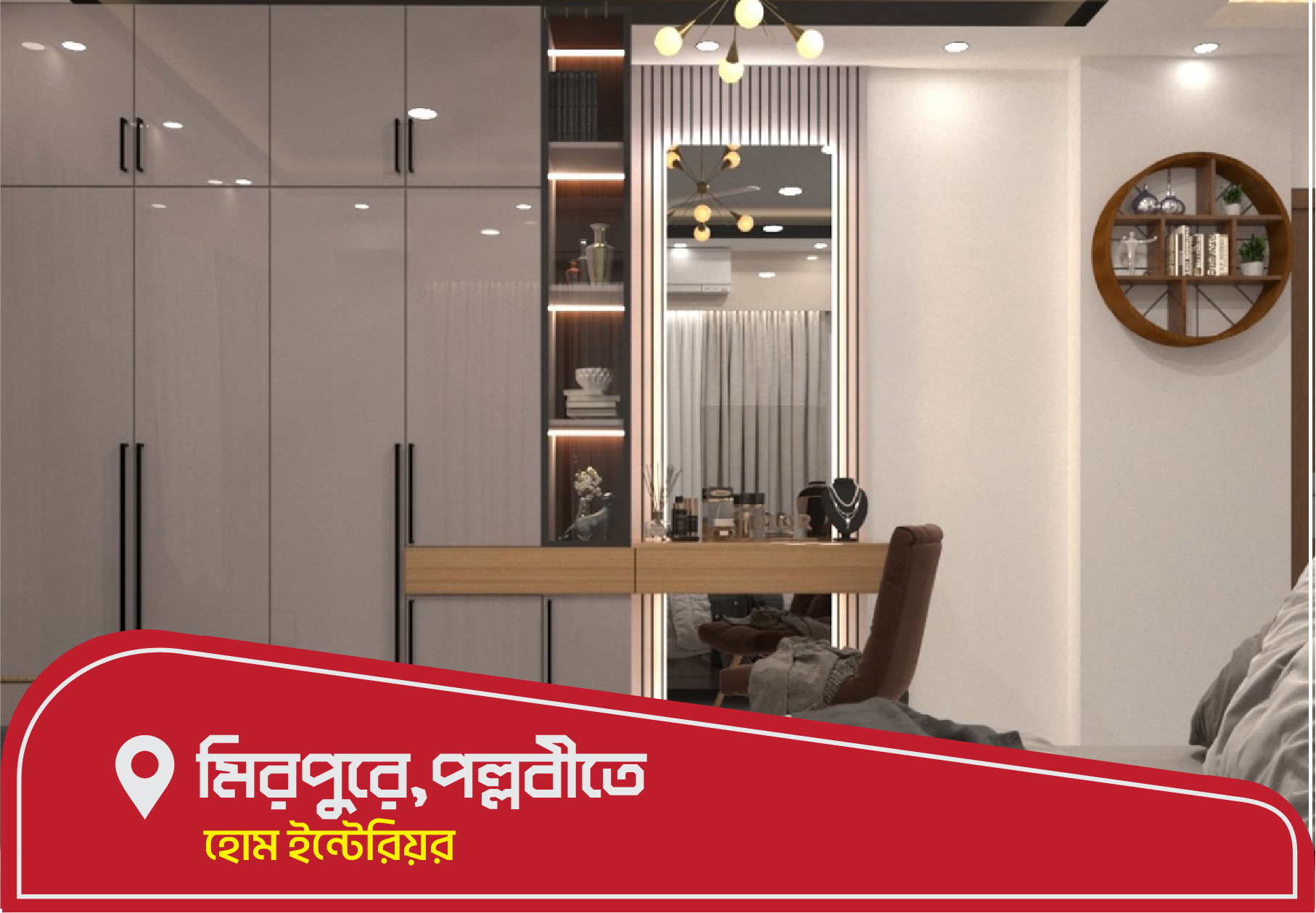
Residential design
Interior design in residential homes is
all about coziness, warmth, and practicality. It creates spaces that
are comfortable and ideal in residential homes due to the blend of
traditional furniture and contemporary interior design.
Where it functions best: Modern lighting and neutral-colored couches
in
living rooms, Bedrooms with soft textures
and upholstered
furniture, and
Dining spaces with
traditional furniture and contemporary chairs
02
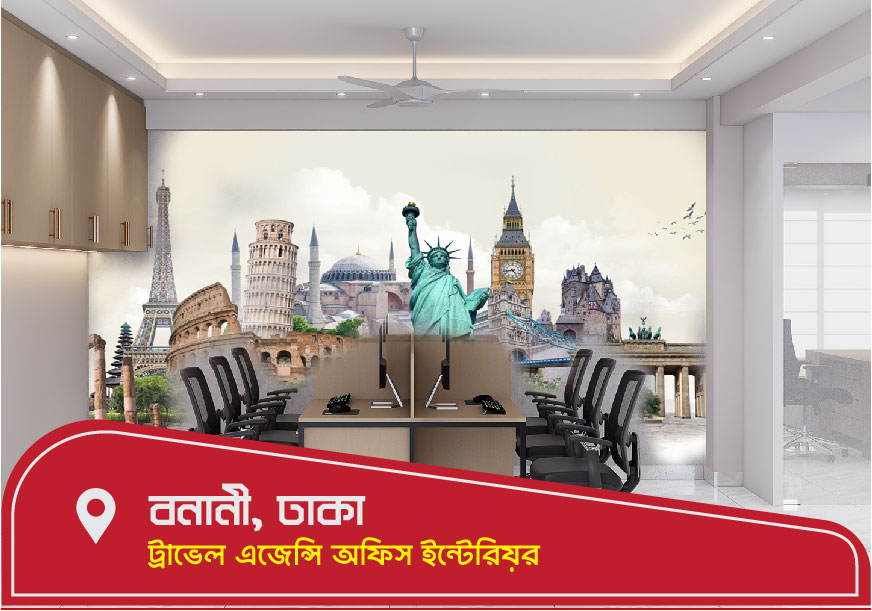
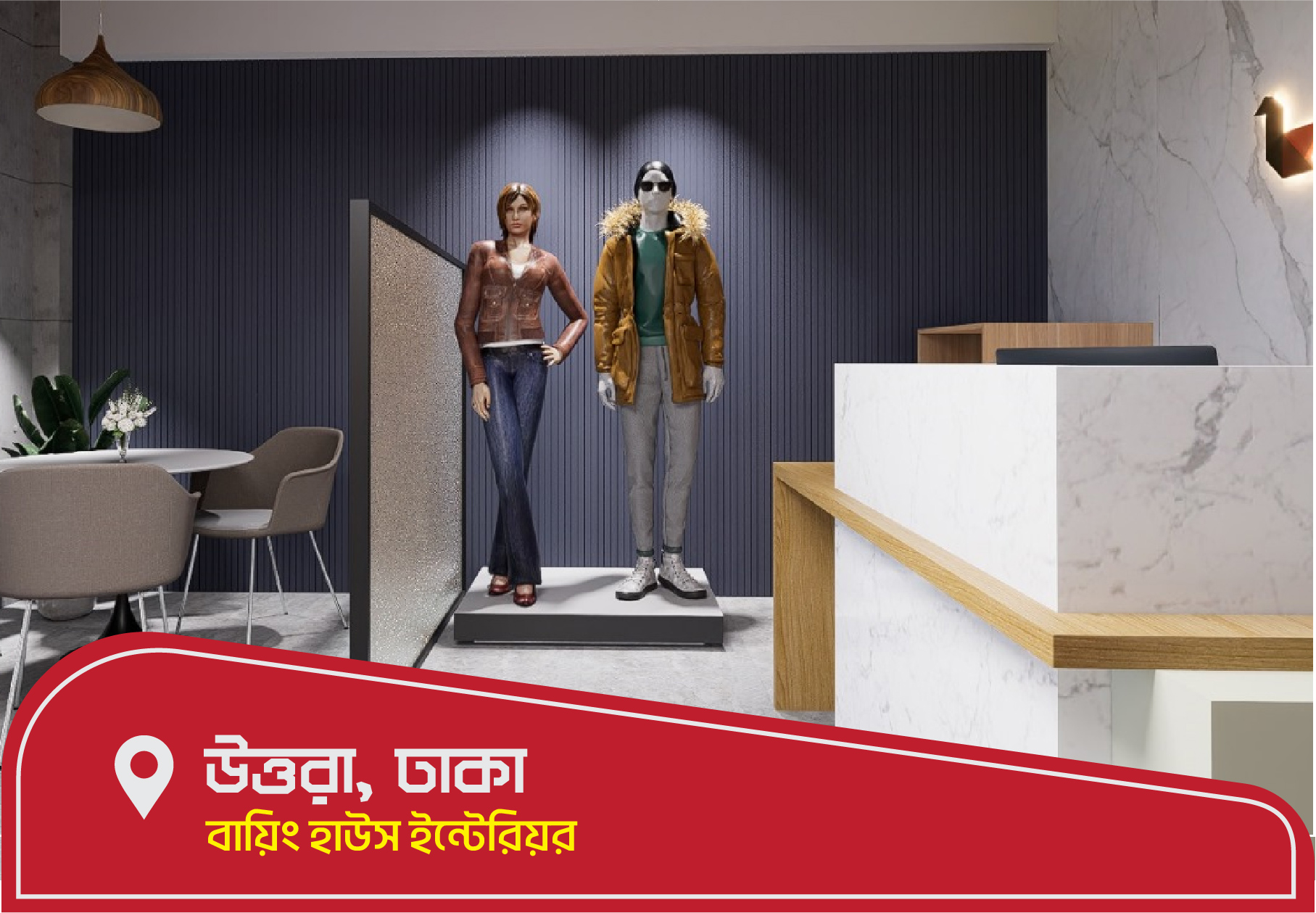
Commercial design
Interior design in commercial spaces
creates professionalism in offices,
corporate spaces, and
showrooms without introducing
coldness in the design. It creates comfort and professionalism by
introducing traditional energy to contemporary commercial spaces.
Where it functions best:
Boardrooms
and corporate offices, showrooms in retail spaces, and service
centers such as healthcare,
schools, and
firm.
03
Hospitality design
This design works best in hospitality spaces, including hotels and
restaurants, by creating memorable, luxurious yet laid-back
environments.
The key to the lasting popularity of transitional interior design is
that it does not make an excessive effort. Comfort without clutter,
elegance without ego, style without stress – that’s what people
want. Spaces that feel good, not just look good. And here are some
of the important factors that make it popular:
Classic appeal: The interior design does not go out of
style with the passage of time. It remains in style for years to
come by combining elements of tradition with modern simplicity.
Comfort of a large audience: It is best suited for family
homes and workplaces, as well as hotels. The design appeals to all
ages and tastes.
Harmonious aesthetics: This style of interior design finds
the sweet spot that most people prefer. It’s not too traditional
or too modern. In fact, it’s just right.
Refresh and renew easily: Neutral-colored bases make it
easy to renew this space in the future with new furniture,
lighting, or other design elements.
Flexible and functional in residences and businesses: This
design can work seamlessly in residences, businesses, and hotel
spaces without sacrificing its unique style.
Common mistakes to avoid in transitional interior design
When done correctly, transitional interior design appears
effortless, but minor errors can completely upset the balance. This
style lives in the middle, not at either extreme; the key is
intention and balance. Mistakes to watch out for:
Going heavy on ornate details or ultra-minimal pieces breaks the
balance that defines the design.
Loud prints or strong colors overpower the neutral foundation and
make the space feel chaotic.
Flat neutrals without texture make rooms feel dull and
lifeless—layering is non-negotiable.
Mixing pieces without a unifying tone or scale creates visual
confusion instead of harmony.
One light source or overly decorative fixtures can ruin the mood;
layered, functional lighting is essential.
Too many decorative items clutter the space and kill the clean,
casual flow.
Some tips for transitional interior design
Balance is key to transitional interior design; once you get it
right, everything else will fall into place. It's not about
imitating a style; rather, it's about purposefully blending modern
and classic. Essential tips to follow:
Use soft whites, greys, beige, or taupe for walls and large
furniture to create a calm foundation.
Pair classic furniture shapes with modern finishes to maintain
visual harmony.
Choose furniture with simple silhouettes and avoid excessive
ornamentation.
Combine wood, metal, fabric, and stone to keep neutral spaces from
feeling flat.
Fewer, well-chosen accessories work better than overcrowding the
space.
Mix ambient, task, and accent lighting to enhance both function
and mood.
Casual spaces should look good but feel even better—never
sacrifice usability.
Barnomala Architects & Interior provides the best interior design solution
At Barnomala Architects & Interior, we are experts in thoughtful design
that goes beyond trends. We specialize in all types of interior
design. We also provide
architecture services and all kinds of
necessary products. We take good
care of everything from beginning to end. Here, we discussed a few
of our primary selection criteria.
It is all about finding the perfect balance between
traditional design elements. It is the clean, sharp beauty of
modern design to create spaces that feel both timeless and
harmonious.
Is transitional design suitable for small homes?
Yes, for small homes, this design is a good choice because it
helps open up the spaces. It does this with its neutral colors
and clean lines, yet still accommodates flexible furniture to
maximize its functionality.
What colors work best in transitional interiors?
For colors, soft neutrals such as white, beige, gray, and
taupe are excellent base colors because they create a serene
environment that can be easily changed with the addition of
bright colors whenever desired.
Can transitional design work for offices and hotels?
Yes, due to its widespread appeal, it is frequently utilized
in commercial, residential, and hospitality settings. The
professional but friendly atmosphere of this style is useful
for service-oriented environments.
Is interior design for transitions costly?
You can achieve it on a variety of budgets by carefully
combining furniture and materials. Careful planning and
neutral foundations help with long-term cost control.
Smart Interior Solutions
Barnomala Architects & Interior helps you design stylish spaces that balance
tradition and modern living.
We delivered complete interior solutions including customized furniture, efficient workstation setups, and impactful branding elements. Our service covered space planning, modern design execution, ergonomic furniture installation, and professional br...
“We delivered comprehensive interior solutions by handling the complete execution of all furniture requirements. Our team managed custom design, precise fabrication, and professional installation of various furniture types, including seating, stora...
For this project, we provided a complete design and execution solution tailored to the client’s needs. Our key solutions included:
🔹 Site Assessment & Requirement Analysis – We began with a detailed consultation and site visit to unde...
Looking for flat interior design in Bangladesh? We create stylish, functional and customized apartment interiors for new and existing flats across the country.
Upgrade your bathroom with elegant and functional interior design in Bangladesh. Create a stylish and comfortable space with expert solutions. Call now!
Are you looking for an office interior design service in Bangladesh? We design functional, creative, and brand-aligned workspaces to boost productivity & style.
Please tell us about your residential home space or commercial space requirements. One of our creative, modern interior designers or interior decorator will walk you through our service options.



 +8801713776555